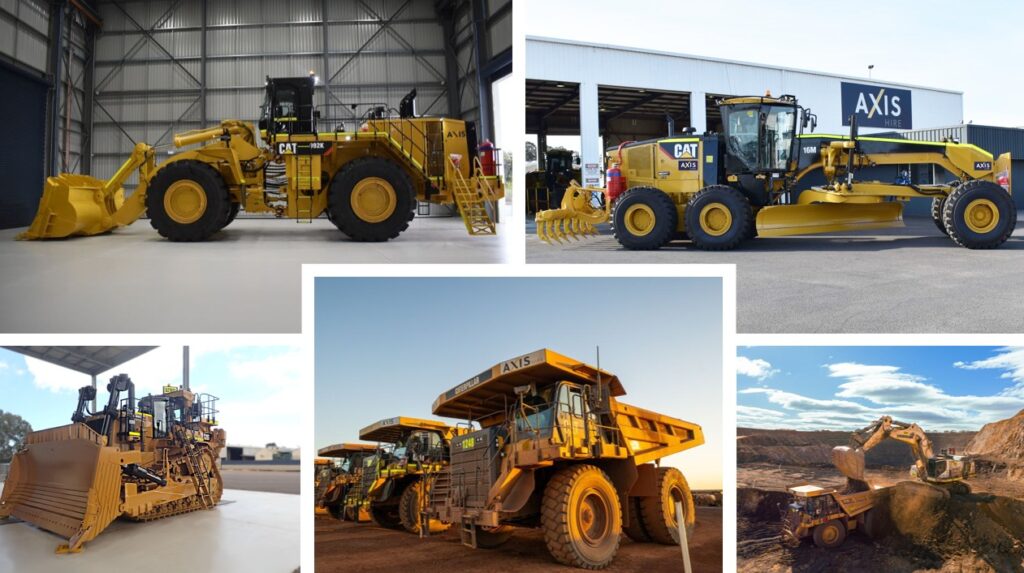
If you’ve ever stood on a bulk earthworks site in WA, you know one thing pretty quickly, it’s not about having the biggest machines. It’s about having the right mix.
We’ve seen jobs run smoothly with modest fleets, and we’ve seen big machines sitting idle because the balance wasn’t right. When it comes to bulk earthworks, coordination matters more than horsepower.
Whether you’re preparing a subdivision in Perth’s outer suburbs, cutting a commercial pad or working on a regional road upgrade, here’s what’s worth thinking about before you lock in your equipment hire.
If you’re in planning mode, you can review our current range of civil and construction equipment hire in WA to see what’s available across excavators, trucks, rollers and more.
Bulk Earthworks in WA – What Are We Really Talking About?
Bulk earthworks usually means serious volume.
- Subdivisions
- Roadworks
- Commercial pads.
- Mining support works.
Once you’re dealing in thousands (or tens of thousands) of cubic metres, it stops being a one-machine job. Every piece of equipment affects the next.
That’s why early hire planning makes such a difference.
Start With the Excavator – It Sets the Pace
On most bulk earthworks jobs, the excavator dictates the tempo.
In WA you’ll typically see:
- 14–20 tonne machines on tighter metro sites
- 20–30 tonne excavators on standard civil works
- 30 tonne and above for larger commercial or infrastructure jobs
But the spec sheet doesn’t tell the whole story.
Coastal sand around Perth moves quickly.
Heavy clay in outer suburbs slows things down.
Limestone in certain pockets means attachments are a must.
Hiring the right size excavator for the actual ground conditions keeps everything else moving. Get it wrong, and the rest of the fleet either waits or wastes fuel.
Dump Trucks – Keep the Excavator Busy
Excavators don’t make money when they’re sitting still.
Articulated dump trucks are common across WA because they handle uneven ground and softer conditions better than rigid trucks.
A question we hear a lot is:
“How many trucks do I need?”
There’s no single answer, but on many jobs it’s somewhere between three and five per excavator. It depends on haul distance, site layout and how the job is staged.
Too few trucks and production stalls.
Too many and you’ve got machines idling and chewing through fuel.
The goal is simple — steady rhythm.
Don’t Forget the Dozer
Bulldozers often get added later, but they can make a big difference early on.
If you’ve got shorter haul distances or material that needs spreading, a dozer can be more efficient than running trucks back and forth all day.
On subdivision work around Perth, dozers often take care of redistribution faster than you’d expect.
It’s about using the right machine at the right phase.
Compaction – Plan It Early
It’s easy to focus on excavation and haulage, but compaction is where projects either pass inspection or slow down.
Across WA sites, you’ll generally see:
- Padfoot rollers on clay
- Smooth drum rollers on sand
- Multi-tyre rollers for finishing
Different soils behave differently, and local engineering specs often reference Main Roads WA or council standards.
If compaction equipment isn’t lined up properly, you’ll feel it later.
Water Carts – Especially in WA Summers
Anyone who’s worked through a WA summer knows dust control isn’t optional.
Water carts are there for more than just keeping the neighbours happy. They help with visibility, safety and moisture control during compaction.
On most mid-to-large bulk earthworks projects, they’re part of the core fleet.
Ignoring dust is rarely worth it.
WA Conditions Change the Equation
One thing that sets WA apart is how varied the ground can be.
Coastal Perth: sandy and generally quicker moving.
Outer metro areas: heavier soils.
Regional and limestone zones: tougher on machines and attachments.
When hiring equipment, it pays to think about the actual site conditions — not just what worked on the last job.
What a Balanced Hire Fleet Might Look Like
Every project is different, but for a mid-scale bulk earthworks job you might be looking at something along the lines of:
- 1 × 30t excavator
- 3–5 articulated dump trucks
- 1 × bulldozer
- 1 × grader
- 1–2 rollers
- 1 × water cart
The exact mix depends on volume, haul distance and ground conditions, but the principle stays the same — hire equipment as a system.
Plan Early, Especially in Busy Periods
One of the biggest headaches on civil projects isn’t machine performance — it’s availability.
During peak infrastructure periods in WA, plant can book out quickly. Leaving hire decisions to the last-minute limits your options.
If you’re preparing for upcoming works, it’s worth reviewing equipment available early so your fleet lines up with your program.
Final Word
Bulk earthworks projects don’t need more machines. They need the right ones.
Excavators, trucks, dozers, graders, rollers and water carts all play a role — but only if they’re matched properly and hired with the job in mind.
A bit of planning upfront goes a long way on site.
If you’re getting ready for a bulk earthworks project anywhere in WA, taking the time to review your equipment requirements early can make mobilisation a lot smoother.
Ready to Get Started?
Speak with the team at Axis Hire today to discuss your site requirements and discover how the right machine can make all the difference. Find the right dry hire equipment solutions for your next project at axishire.com.au.