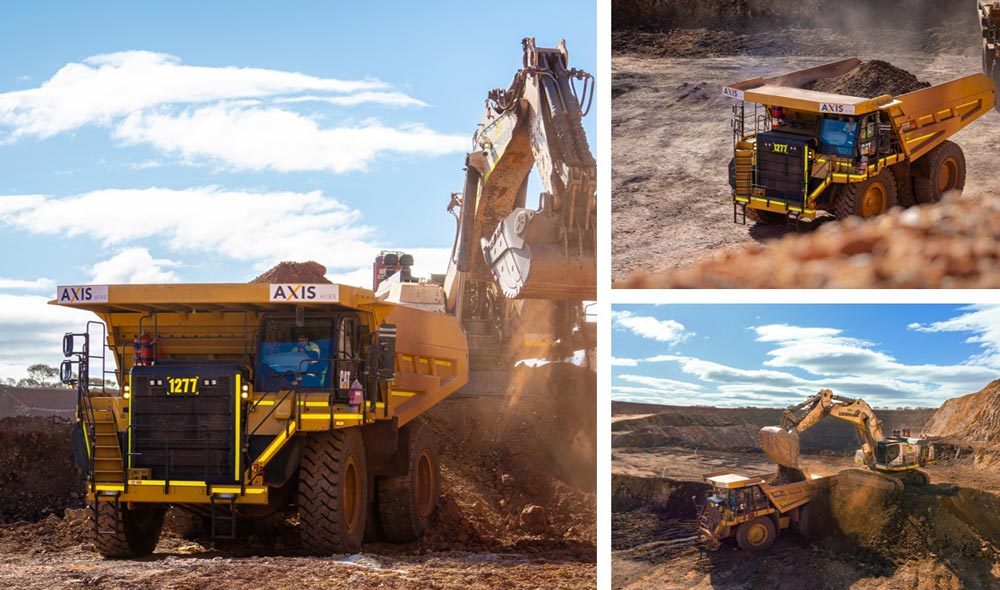
If you’re hiring machinery for a job, you’ll quickly run into the question:
Do I go wet hire or dry hire?
It sounds like industry jargon, but the decision has a big impact on how smoothly your project runs. Get it right, and things move fast. Get it wrong, and you can end up dealing with delays, extra costs, or a lot more stress than expected.
Here’s a straightforward breakdown to help you choose what’s right for your job.
What is Wet Hire?
Wet hire is simple; you get the machine and the operator.
That means someone experienced is running the equipment for you. They know the machine, they know the job, and they’ll usually work faster and more accurately than someone learning on the fly.
What you’re getting:
- The machine
- A qualified operator
- Fuel (often included)
- Maintenance handled for you
- Less to worry about overall
Why people choose wet hire:
- You don’t have an operator
- You want the job done properly the first time
- The work is a bit more technical or tight access
- You’d rather not manage another moving part
In short, wet hire is about getting the job done with less risk and less hassle.
What is Dry Hire?
Dry hire is just the machine, nothing else.
You or your team run it, manage it, and take responsibility for how it’s used.
What you’re taking on:
- Operating the machine
- Fuel
- Transport (sometimes)
- Any damage or misuse
Why people choose dry hire:
- You’ve got experienced operators already
- You want full control over timing
- You’re running a longer-term project
- You’re trying to keep upfront costs down
Dry hire gives you flexibility, but it also puts more responsibility on your side.
The Real Difference (Without the Fluff)
| If you want… | Go with |
| Less stress, less risk | Wet hire |
| Full control and lower upfront cost | Dry hire |
| Faster, more efficient work | Wet hire |
| To use your own team | Dry hire |
What About Cost?
This is where most people lean toward dry hire, because it looks cheaper on paper.
And sometimes it is.
But not always.
With dry hire, you need to factor in:
- Operator wages
- Mistakes or slower work
- Potential damage
- Delays if things don’t go to plan
With wet hire:
- You pay more upfront
- But the job is usually done quicker
- And with fewer issues
So, the real question isn’t just what’s cheaper, it’s:
What’s going to cost me less overall by the time the job’s finished?
When Wet Hire Just Makes Sense
Go wet hire if:
- You don’t have a qualified operator
- The job needs precision
- You’re on a tight timeline
- You want it done properly without managing it
This is usually the safer option for:
- Site prep
- Trenching
- Detailed excavation
- Civil work
When Dry Hire is the Better Call
Dry hire works well if:
- You’ve got a capable team
- The job is straightforward
- You’re running equipment regularly
- You want full control over how and when things happen
It’s common for:
- Builders and contractors with in-house operators
- Ongoing projects
- Owner-operators
The Bit Most People Don’t Think About
The biggest difference isn’t just cost.
It’s risk.
- With dry hire, if something goes wrong, it’s on you.
- With wet hire, most of that risk sits with the provider.
That alone can make a big difference, especially on more complex jobs.
Quick Rule of Thumb
If you’re unsure, this usually holds up:
- No operator → go wet hire
- Complex job → go wet hire
- Tight deadline → go wet hire
- Experienced team → dry hire works
- Long-term job → dry hire can make sense
Final Word
There’s no perfect answer for every job.
But most of the time:
- Wet hire is about speed, simplicity and getting it right
- Dry hire is about control and cost efficiency, if you’ve got the capability
If you’re still weighing it up, it’s worth having a quick conversation with someone who does this every day. A good provider will point you in the right direction based on your job, not just try to sell you something.
Need a Hand Deciding?
Axis Hire works with projects across WA, from small residential jobs through to larger civil work.
If you’re not sure what you need, we’ll talk it through and give you a straight answer based on your job, timeline and budget.
Reach out and we’ll help you get it sorted properly from the start.